Bourbon - The American Whiskey
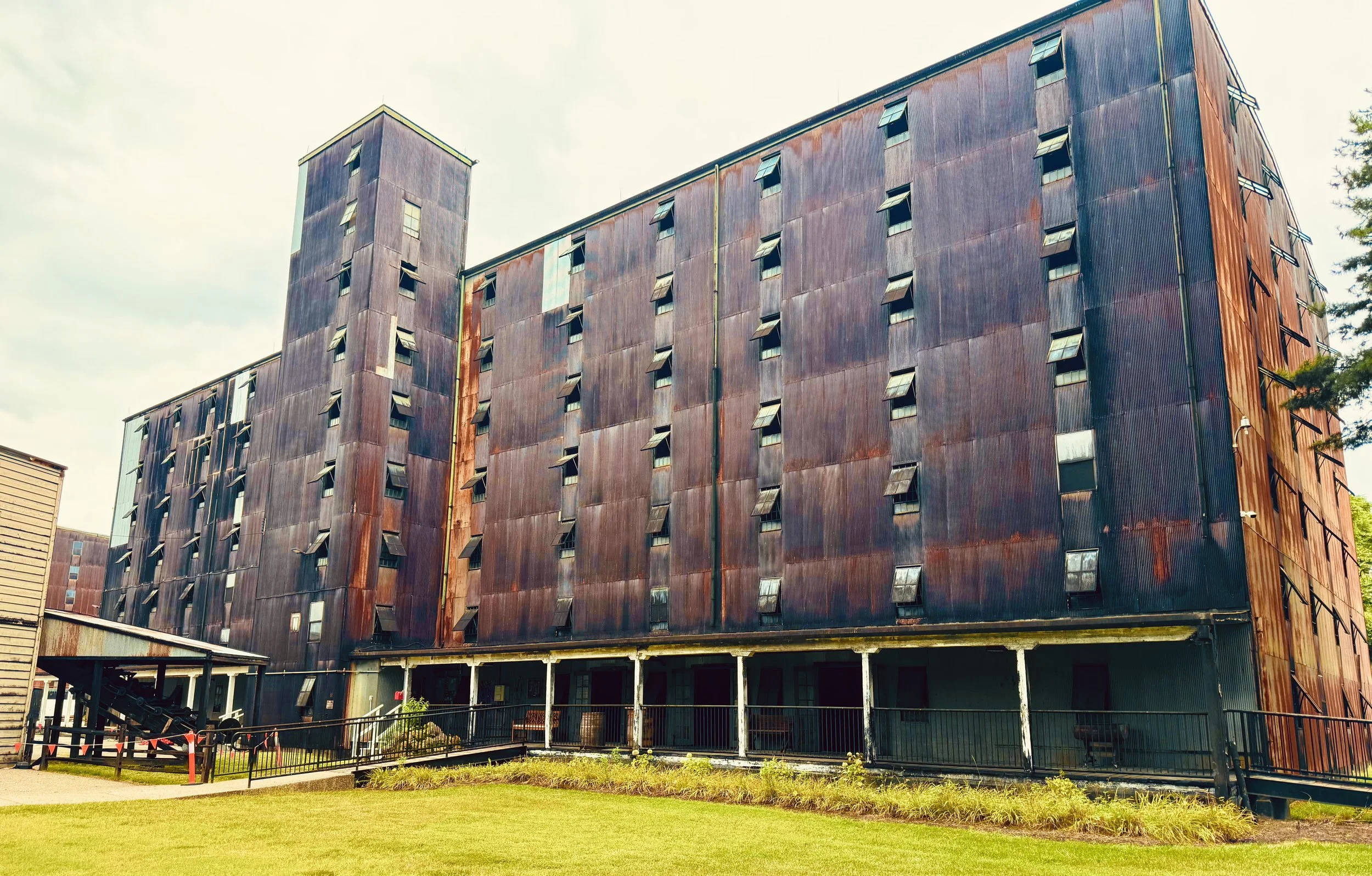
Bourbon History
Bourbon whiskey traces its roots to late 18th-century America, emerging from the confluence of geography, immigration, and agricultural necessity.
The Kentucky Connection
Bourbon originated in Kentucky, a region uniquely suited to whiskey production. The area sits atop a vast limestone shelf that naturally filters groundwater, removing iron and adding calcium and magnesium — minerals that are ideal for fermentation and produce a cleaner, sweeter spirit. Kentucky's hot summers and cold winters also create dramatic temperature swings that force the whiskey in and out of the wood of aging barrels, accelerating flavor development.
The Settlers and Their Stills
In the 1780s and 1790s, Scots-Irish and other European immigrants poured into Kentucky through the Cumberland Gap, bringing with them deep traditions of grain distillation. Corn — which thrived in the rich Kentucky soil — became the grain of choice, replacing the barley and rye common in Old World distilling. The abundance of corn, combined with the excellent local water, made whiskey-making a natural cottage industry.
The Name "Bourbon"
The origin of the name is debated, but the most widely accepted explanation ties it to Bourbon County, Kentucky, which was named in 1785 in honor of the French royal House of Bourbon (in gratitude for France's support during the American Revolution). Much of early Kentucky whiskey was shipped down the Ohio and Mississippi Rivers to New Orleans, often labeled with its county of origin. Whiskey from Bourbon County — or simply passing through its port — became known as "Bourbon whiskey," and the name stuck.
Elijah Craig and the Charred Barrel
A Baptist minister named Elijah Craig is often credited — though with some historical dispute — with a key innovation around 1789: aging whiskey in charred oak barrels. Whether accidental or intentional, the charring created a layer of carbon that filtered impurities and imparted the rich caramel, vanilla, and oak flavors that define bourbon today. While Craig may not be the sole inventor of this practice, he became a symbol of early bourbon craftsmanship.
American Whiskey
Bourbon wasn't legally defined until much later. In 1897, the Bottled-in-Bond Act began establishing quality standards for American whiskey. Then, in 1964, the U.S. Congress officially declared bourbon "a distinctive product of the United States," setting the standards still in use today: it must be made from at least 51% corn, aged in new charred oak containers, distilled to no more than 160 proof, and entered into the barrel at no more than 125 proof — among other requirements.
From frontier farmsteads to a globally celebrated spirit, bourbon's story is deeply woven into American cultural and agricultural history.
What is Bourbon?
To be called Bourbon today, it isn't enough to just be "whiskey from Kentucky." According to the Federal Standards of Identity for Distilled Spirits, it must meet these criteria:
Origin: Must be made in the United States (not just Kentucky).
Grain Bill: Must be at least 51% corn…most distillers use 65–75% or more.
Additives: Nothing but water may be added (no caramel coloring or flavor).
Aging: Must be aged in new, charred oak barrels…this is what gives bourbon its color and much of its flavor. There is no minimum aging requirement unless it’s "Straight Bourbon," which requires a minimum of 2 years. If aged less than 4 years, the age must be stated on the label.
Distillation: Distilled to no more than 160 proof (80% ABV).
Barrel Entry: Must be entered into the barrel at no more than 125 proof (62.5% ABV).
Bottling: Must be bottled at a minimum of 80 proof (40% ABV).
Mash Bill
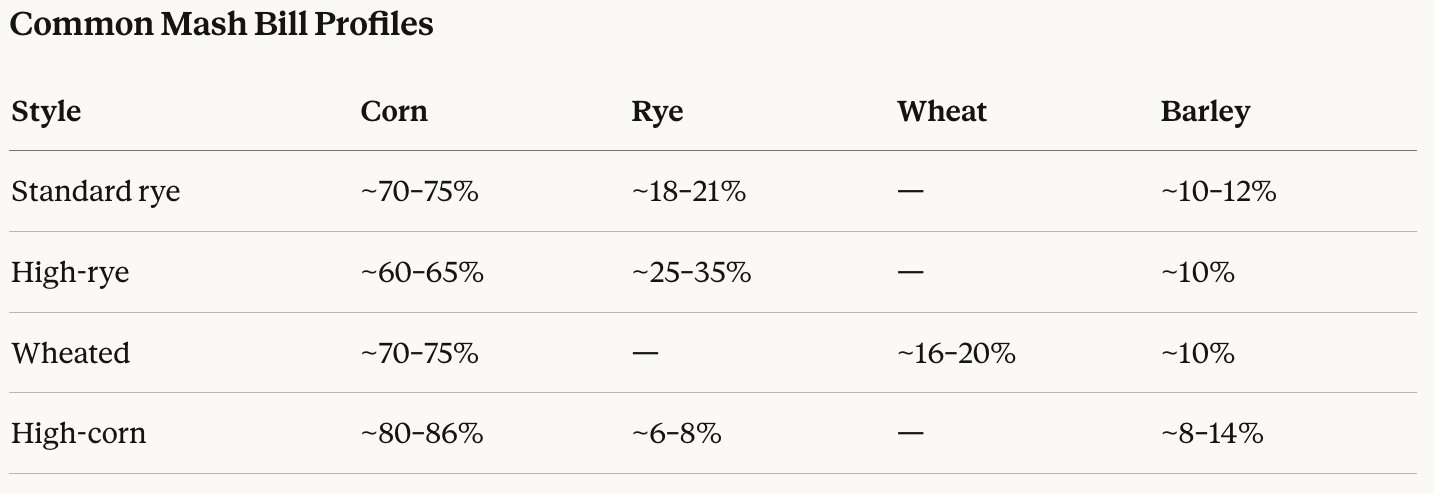
Bourbon mash bill refers to the grain recipe used to make bourbon whiskey. Here's how it works: By U.S. law, bourbon must be made from a grain mixture that is at least 51% corn. The remaining grains — called "small grains" — typically consist of malted barley plus either rye or wheat.
Three Key Components
Corn is the dominant grain and provides bourbon's characteristic sweetness, body, and full flavor. Higher corn percentages (like 70–80%+) tend to produce a softer, sweeter spirit.
Malted barley (usually 5–15%) is included in virtually every bourbon mash bill. It contributes enzymes essential for converting grain starches into fermentable sugars, as well as a subtle nutty, bready flavor.
The "flavor grain" is either rye or wheat, and this choice is the defining split between bourbon styles:
Rye (typically 15–35%) adds spice, pepper, dryness, and complexity. High-rye bourbons (like Four Roses, Bulleit, or Old Grand-Dad) are bold and assertive.
Wheat (typically 15–20%) substitutes for rye in "wheated bourbons," producing a softer, sweeter, more approachable profile. Famous examples include Maker's Mark, W.L. Weller, and Pappy Van Winkle.
Straight Bourbon — aged at least 2 years in new charred oak, with no added coloring or flavoring, and if blended, all whiskey must be from the same state
Bottled-in-Bond — must be the product of one distillation season, one distiller, one distillery; aged at least 4 years; and bottled at exactly 100 proof
Kentucky Straight Bourbon — must meet Straight Bourbon requirements and be both distilled and aged in Kentucky for a minimum of 1 year
Why It Matters
The mash bill is one of the primary factors shaping a bourbon's flavor, alongside the yeast strain, distillation proof, barrel char level, and aging conditions. Two bourbons from the same distillery using different mash bills can taste dramatically different — which is why many distilleries maintain multiple mash bills to produce varied expressions.
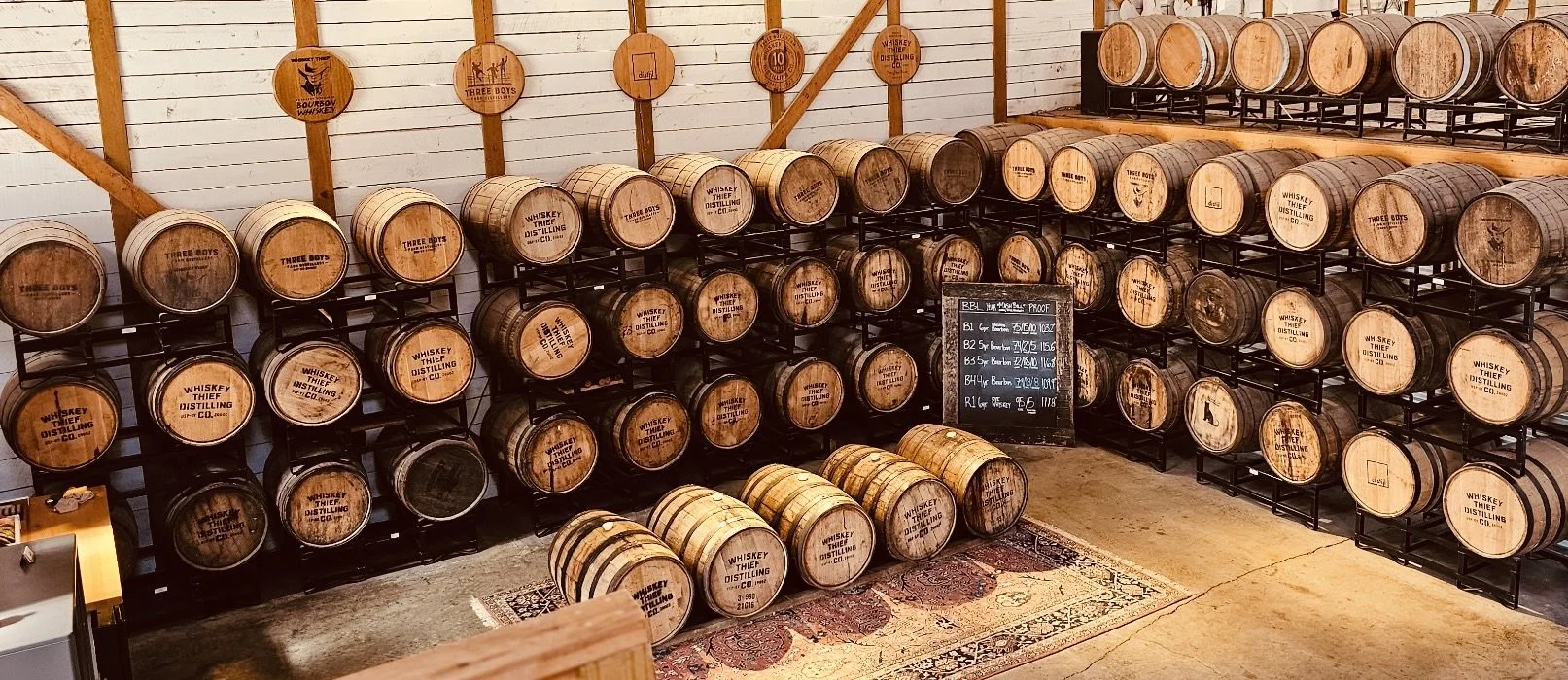
Bottled-in-Bond Bourbon
Bottled-in-Bond (BiB) is a legal standard established by the Bottled-in-Bond Act of 1897, making it one of the oldest consumer protection laws in American history. It was created to combat widespread adulteration and fraud in the whiskey industry, where producers were diluting or doctoring spirits with additives.
To carry the "Bottled-in-Bond" or "Bonded" label, a bourbon must meet all of these strict criteria:
1. Aged at least 4 years The spirit must mature for a minimum of four years — double the baseline requirement for straight bourbon.
2. Bottled at exactly 100 proof (50% ABV) No more, no less. This is a fixed standard, not a range.
3. Product of a single distilling season All the whiskey in the bottle must come from one distillation season — either January–June or July–December of the same year.
4. Product of a single distillery Every drop must come from one distillery, by one distiller. Blending whiskey from multiple facilities is not permitted.
5. Aged in a federally bonded warehouse The aging must occur under U.S. government supervision in a bonded warehouse, hence the name.
The Label
A BiB label must state the distillery where it was distilled and, if different, where it was bottled. This transparency was revolutionary in 1897 and remains meaningful today.
Why it Matters
The BiB designation remains one of the most trustworthy marks of quality and transparency on a bourbon bottle, and has seen a strong revival in popularity as consumers increasingly value authenticity.